We use cookies
By using this website, you agree to our use of cookies. We use cookies to provide you with a great experience and to help our website run effectively. Learn more
Got it
10 days in Kosovo Test
Kosovo,[a] officially the Republic of Kosovo,[b] is a landlocked country in Southeast Europe with partial diplomatic recognition. It is bordered by Albania to the southwest, Montenegro to the west, Serbia to the north and east, and North Macedonia to the southeast. It covers an area of 10,887 km2 (4,203 sq mi) and has a population of nearly 1.6 million, of whom the vast majority (approximately 92 per cent) are ethnic Albanians. Kosovo has a varied terrain, with high plains along with rolling hills and mountains, some of which have an altitude over 2,500 m (8,200 ft). Its climate is mainly continental with some Mediterranean and Alpine influences.[14] Kosovo's capital and most populous city is Pristina; other major cities and urban areas include Prizren, Ferizaj, Gjilan, and Peja.[15]
Kosovo formed the core territory of the Dardani, an Illyrian people, attested in classical sources from the 4th century BCE. The Dardani established the Kingdom of Dardania, with its political and cultural center likely located near present-day Lipjan (ancient Ulpiana). The kingdom was incorporated into the Roman Empire in the 1st century BCE; later, in the 3rd century CE, it was transformed into a separate Roman province. During the Byzantine period, the region was eventually organised as part of the Theme of Dardania and remained under imperial control, facing Slavic migrations in the 6th and 7th centuries CE. Control shifted between the Byzantines and the First Bulgarian Empire. In the 13th century, Kosovo became integral to the Serbian medieval state and the establishment of the Serbian Patriarchate. Ottoman expansion in the Balkans in the late 14th and 15th centuries led to the decline and fall of the Serbian Empire; the Battle of Kosovo of 1389, in which a Serbian-led coalition of various ethnicities fought against the Ottoman Empire, is considered one of the defining moments.
Various dynasties, mainly the Branković, governed Kosovo for much of the period after the battle. The Ottoman Empire fully conquered Kosovo after the Second Battle of Kosovo, ruling for nearly five centuries until 1912. Kosovo was the centre of the Albanian Renaissance and experienced the Albanian revolts of 1910 and 1912. After the Balkan Wars (1912–1913), it was ceded to the Kingdom of Serbia, and after World War II, it became an Autonomous Province within Yugoslavia. Tensions between Kosovo's Albanian and Serb communities simmered during the 20th century and occasionally erupted into major violence, culminating in the Kosovo War of 1998 and 1999, which resulted in the Yugoslav Army's withdrawal and the establishment of the United Nations Interim Administration Mission in Kosovo.
Kosovo unilaterally declared its independence from Serbia on 17 February 2008[16] and has since gained diplomatic recognition by at least 110 member states of the United Nations. Serbia does not officially recognise Kosovo as a sovereign state and continues to claim it as its constituent Autonomous Province of Kosovo and Metohija; however, it accepts the governing authority of the Kosovo institutions as part of the 2013 Brussels Agreement.[17]
Kosovo is a developing country with an upper-middle-income economy. It has experienced significant economic growth over the last decade, as measured by international financial institutions, since the onset of the 2008 financial crisis. Kosovo is a member of the International Monetary Fund, the World Bank Group, European Bank for Reconstruction and Development, Venice Commission, and the International Olympic Committee, and has applied for membership in the Council of Europe, UNESCO, and Interpol, as well as observer status in the Organisation of Islamic Cooperation. In December 2022, Kosovo filed a formal application to become a member of the European Union.[18]
Our Other Trips
12 Days in India
Starting at $5,450 USD

8 Days in Peru
Starting at $3,990 USD

12 Days in Peru
Starting at $4,360 USD

13 Days in Thailand & Cambodia
Starting at $4,290 USD
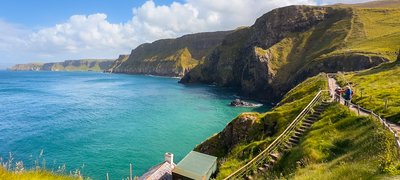
10 Days in Ireland
Starting at $5,500 USD

10 Days in Egypt
Starting at $4,960 USD
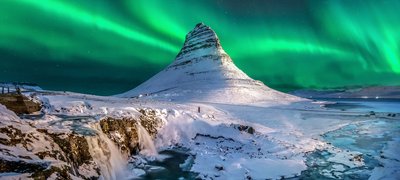
5 Days in Iceland
Starting at $3,455 USD

Ecuador & Galapagos: by land & sea
Starting at $4,980 USD

11 Days in South Africa (2026)
Starting at $4,580 USD

Ecuador & Galapagos
Starting at $4,420 USD
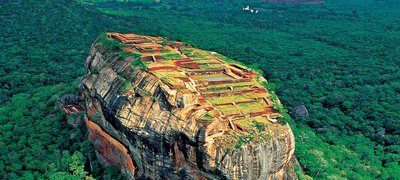
15 Days in Sri Lanka
Starting at $5,200 USD
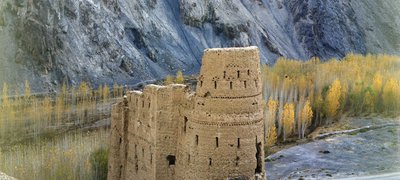
10 Days in Afghanistan
Starting at $5,200 USD

10 Days in Japan
Starting at $4,880 USD

10 Days in Argentina & Brazil
Starting at $4,640 USD
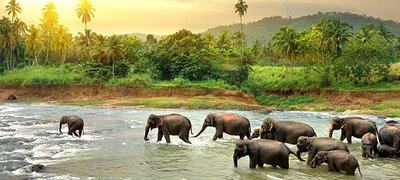
10 Days in Sri Lanka
Starting at $4,530 USD
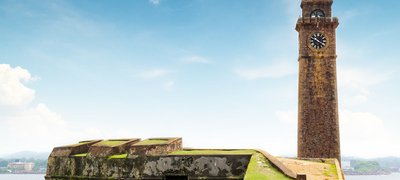
15 Days in Galle Test
Starting at $5,200 USD
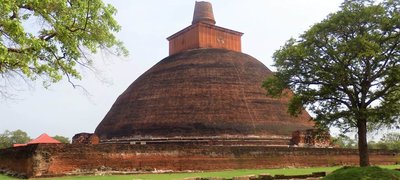
10 Days in Anuradhapura Test
Starting at $2,200 USD
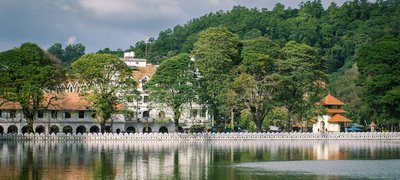
10 days in Kandy Test
Starting at $4,300 USD
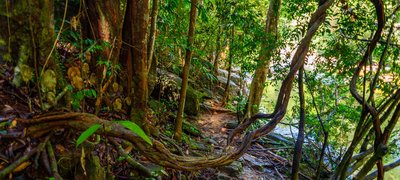
10 Days in Sinaharaja Forest Test
Starting at $5,200 USD
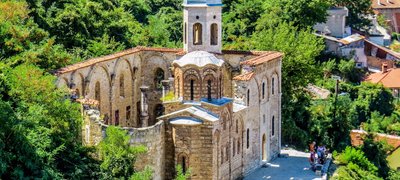
10 days in Kosovo Test
Starting at $5,200 USD
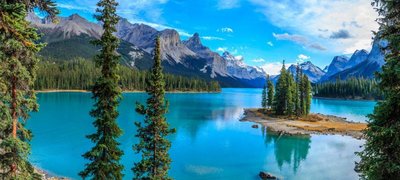
10 Days in Canada Test
Starting at $5,200 USD
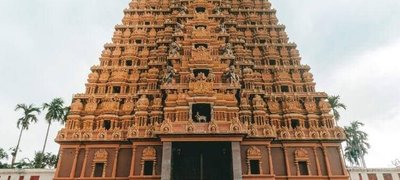
10 Days in Jaffna Test
Starting at $4,300 USD
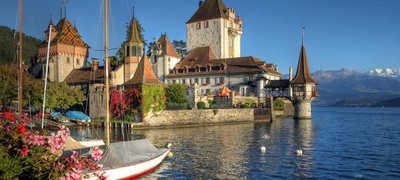
10 Days in Switzerland & Northern Italy
Starting at $5,800 USD